
Summer Competitions
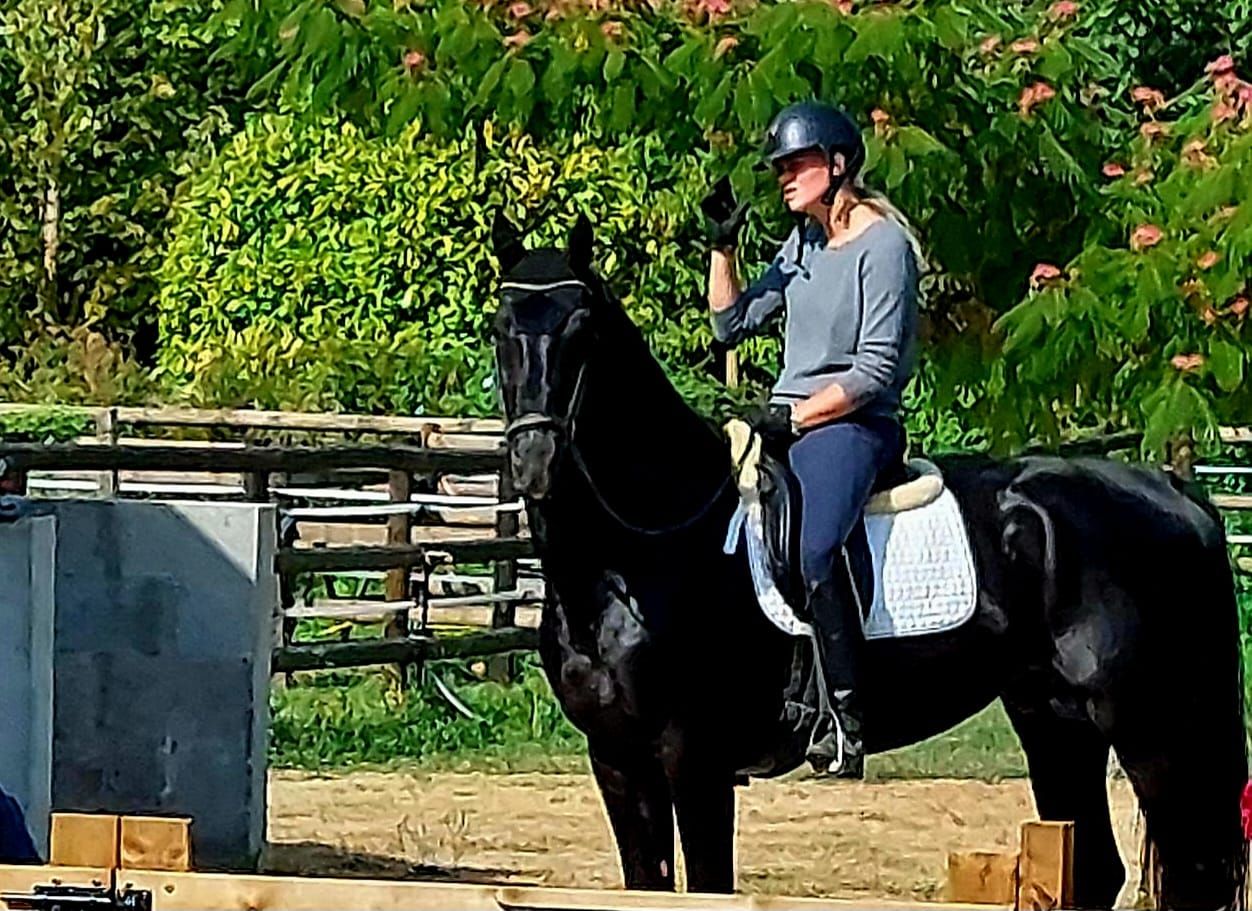
How to Keep Your Horse Consistent Across a Busy Schedule
Summer is the peak of the equestrian competition season. Riders are travelling more, competing more frequently, and pushing for results. While this can be exciting, it also brings one of the biggest challenges in the sport: maintaining consistency over time.
Many horses start the season strong but lose performance mid-season. This is rarely due to lack of ability. More often, it comes down to fatigue, poor scheduling, insufficient recovery, or a lack of structured planning.
Managing competition horses through a busy summer requires more than fitness. It requires strategy.
This guide explores how to build a horse competition schedule, avoid overtraining, and maintain performance across the season while protecting long-term horse welfare.
Why horses lose performance during the season
It is not always about fitness
A drop in performance is often misunderstood.
Common causes include:
Accumulated fatigue
Travel stress
Inconsistent recovery
Mental burnout
Poor workload planning
Horses do not need to be pushed harder. They need to be managed better.
The impact of repeated competition
Frequent competitions create hidden stress through:
Travel and unfamiliar environments
Waiting periods between classes
Changes in routine
Increased mental pressure
Over time, this affects both physical and mental performance.
Building a structured horse competition schedule
More is not always better
One of the biggest mistakes riders make is competing too often.
A strong horse competition schedule should include:
Planned rest periods
Variation in intensity
Clear priorities for key events
Space for recovery between competitions
Competing every weekend is rarely sustainable.
Planning around key events
Instead of entering every available show, focus on:
Target competitions
Preparation phases
Recovery windows
Ask yourself:
Which events matter most?
Where should performance peak?
When does my horse need rest?
Working with experienced trainers can help structure a season effectively.
Recognising fatigue vs resistance
Understanding your horse’s signals
A horse that is losing performance is often communicating something important.
Signs of fatigue include:
Reduced energy or impulsion
Slower responses to aids
Loss of consistency
Longer recovery times
Changes in behaviour
Misinterpreting fatigue as disobedience can lead to overtraining.
Why pushing harder backfires
When performance drops, the instinct is often to increase intensity.
This can:
Increase physical strain
Reduce recovery capacity
Create mental resistance
Lead to injury or burnout
Consistency comes from balance, not pressure.
Managing horse recovery between shows
Recovery is part of performance
Recovery is often overlooked but is one of the most important factors in managing competition horses.
Effective recovery includes:
Light work or active rest days
Adequate turnout where possible
Monitoring hydration and nutrition
Muscle care and support
Explore equine services such as physiotherapy or osteopathy through Equiherds to support recovery.
Travel and recovery
Travel has a significant impact on horses.
Consider:
Duration and frequency of travel
Hydration during transport
Time to settle at new venues
Frequent travel without recovery can quickly reduce performance.
Managing workload and avoiding overtraining
Balance intensity and rest
To avoid overtraining horses, balance is key.
A structured week might include:
One or two focused training sessions
One lighter session
One rest or turnout day
Competition days planned strategically
Avoid stacking high-intensity sessions back-to-back.
Mental recovery matters too
Horses need mental breaks as much as physical ones.
Include:
Variety in training
Relaxed sessions
Time away from competition environments
A mentally fresh horse performs better.
Practical strategies for competition season horse care
Keep routines consistent
Consistency reduces stress.
Maintain:
Feeding schedules
Warm-up routines
Daily handling patterns
Even when travelling, small consistencies make a difference.
Monitor performance trends
Track:
Energy levels
Recovery time
Behaviour changes
Competition results
Patterns over time provide valuable insight.
You can share and compare experiences with other riders in the Equiherds Community.
Adjusting mid-season
When to step back
Knowing when to reduce workload is critical.
Consider adjusting your schedule if:
Performance is declining
Recovery is slower than normal
Behaviour changes significantly
Your horse shows signs of stress
Short-term rest often leads to better long-term results.
Key takeaways
A structured competition schedule is essential for consistency
Horses lose performance due to fatigue, not lack of ability
Recovery is a critical part of performance management
Overtraining reduces long-term results
Mental and physical balance is key to success
Listening to your horse leads to better outcomes
Frequently Asked Questions
How often should I compete my horse?
This depends on the horse, discipline and level. Many horses benefit from competing less frequently with structured rest periods rather than every weekend.
How do I avoid overtraining during the season?
Balance intensity with recovery, include rest days, and monitor signs of fatigue. Avoid increasing workload when performance drops.
Why is my horse losing performance mid-season?
Common causes include fatigue, travel stress, insufficient recovery and mental burnout. Reviewing your schedule often resolves the issue.
How do professionals plan competition schedules?
They prioritise key events, build in recovery periods, and adjust based on the horse’s response rather than sticking rigidly to a plan.
How do I manage recovery between shows?
Focus on hydration, light movement, rest, and supportive care. Avoid intense training immediately after competitions.
Final thought
Summer competition season is not just about performing well on one day. It is about maintaining consistency across weeks and months.
The riders who succeed are not always the ones who compete the most, but the ones who manage their horses the best.
By planning carefully, monitoring your horse and adjusting when needed, you can protect both performance and long-term wellbeing.