
Summer Competitions
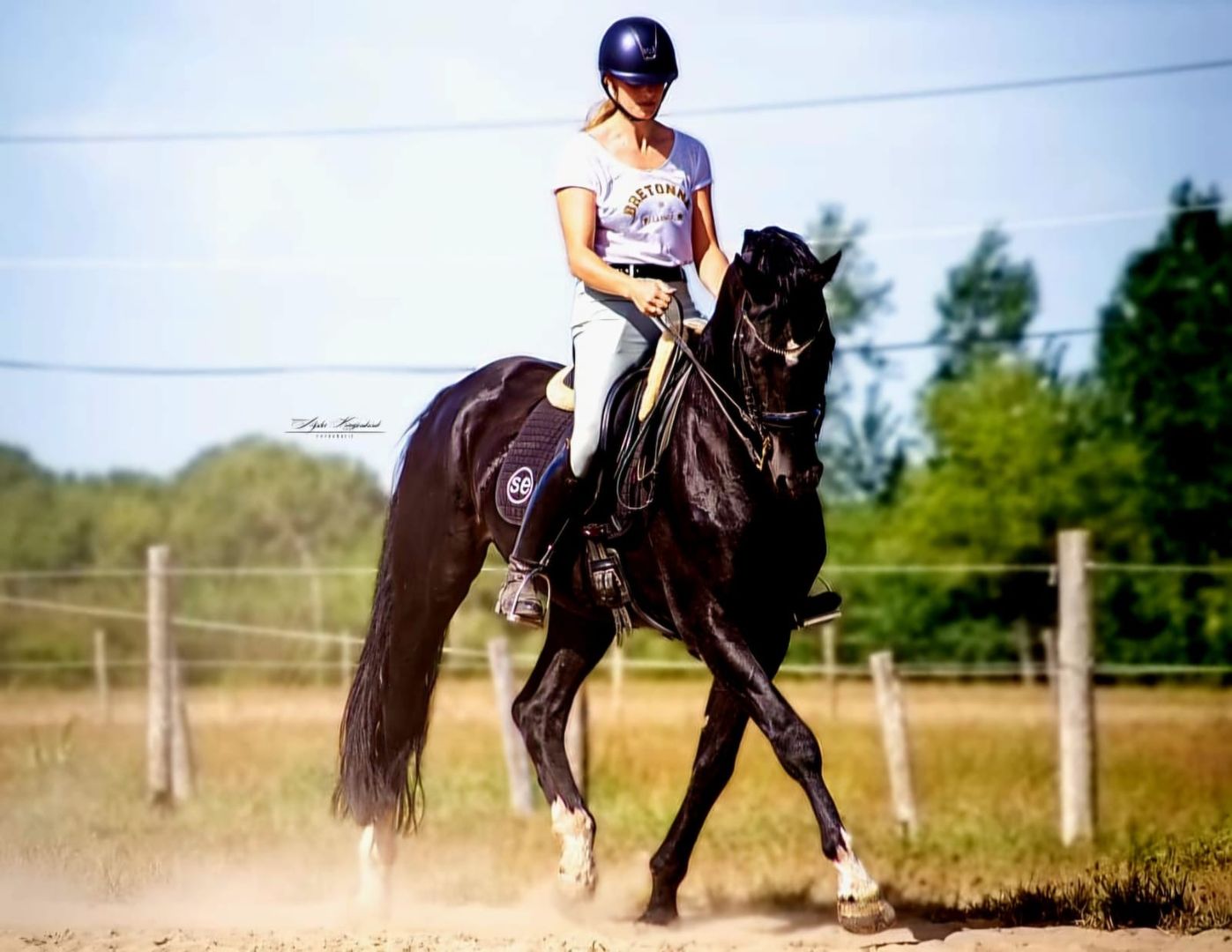
Performance, Hydration and Welfare in Summer
Summer brings longer days, more competitions and more time in the saddle. It also introduces one of the biggest challenges for horse owners: managing horses safely and effectively in hot weather.
High temperatures can affect performance, hydration, behaviour and overall horse welfare. What works in spring may not work in summer, and small mistakes can quickly lead to fatigue, dehydration or heat stress.
Understanding how to manage horses in hot weather is essential for anyone involved in riding, training or competing. Whether you are a leisure rider or preparing for major events, adapting your approach in summer can make a significant difference.
This guide explains how to prevent and manage heat stress in horses, improve horse hydration in summer, and maintain performance safely during the hottest months.
Understanding heat stress in horses
What is heat stress?
Heat stress occurs when a horse is unable to regulate its body temperature effectively. Horses produce significant heat during exercise, and in warm conditions, this heat cannot dissipate quickly enough.
This is especially common during:
Competitions and travel
High humidity conditions
Poor ventilation environments
Intense or prolonged training sessions
Signs of heat stress in horses
Recognising early signs is critical.
Look out for:
Excessive sweating or, in some cases, lack of sweating
Elevated breathing rate
Lethargy or unwillingness to work
Increased heart rate
Poor recovery after exercise
If ignored, heat stress can quickly escalate into a serious welfare issue.
Horse hydration in summer: more than just water
Why hydration is often underestimated
Many horses have access to water, but that does not guarantee adequate hydration.
During hot weather, horses lose fluids through sweat, along with essential electrolytes. Without proper replenishment, performance drops and recovery slows.
Effective hydration strategies
To improve horse hydration in summer, consider:
Electrolytes: Introduce gradually before competitions or travel
Soaked feeds: Increase water intake through mash or soaked hay
Consistent access to fresh water: Especially when travelling
Familiar water sources: Some horses drink less in unfamiliar environments
For tailored hydration plans, consider consulting professionals via Equine Services on Equiherds.
Adjusting training and workload in hot weather
Train smarter, not harder
One of the most effective ways to manage horses in heat is adjusting workload.
Best practices:
Ride early morning or late evening
Reduce intensity during peak temperatures
Increase walk breaks during sessions
Avoid prolonged high-intensity work
Working with experienced trainers can help tailor training schedules to your horse’s needs.
Recognising fatigue vs behaviour
In summer, horses may appear lazy or resistant. In many cases, this is fatigue rather than behaviour.
Signs of fatigue:
Slower response to aids
Loss of rhythm
Increased recovery time
Pushing through fatigue increases risk. Listening to your horse is key.
Cooling strategies that actually work
Cooling is not just hosing
Effective cooling is critical after exercise.
Best approach:
Apply cold water to large muscle areas
Scrape excess water and reapply
Focus on neck, shoulders and hindquarters
Continue until breathing and heart rate normalise
Avoid leaving warm water sitting on the horse, as this can trap heat.
Managing horses at competitions in heat
Competing horses in heat requires planning
Competitions increase stress through:
Travel
Waiting times
Busy environments
Multiple classes
To manage this:
Plan warm-ups carefully
Avoid unnecessary exertion
Provide shade and airflow where possible
Monitor hydration throughout the day
You can connect with other riders and share strategies in the Equiherds Community.
When not to compete
One of the most important decisions is knowing when to step back.
Consider not competing if:
Temperatures are extreme
Your horse is not recovering well
Hydration is compromised
Travel conditions are poor
Protecting your horse should always come before performance.
Stable and yard management in summer
Environment matters
Your stable setup can significantly impact how your horse copes with heat.
Consider:
Ventilation and airflow
Access to shade in turnout areas
Fly control measures
Reduced time in enclosed spaces
Explore suitable stables through Equiherds if your current setup is not ideal for summer conditions.
Key takeaways
Heat stress is a major risk during summer and must be managed proactively
Hydration requires more than access to water
Training intensity should be adjusted based on temperature
Cooling techniques must be effective and consistent
Not all conditions are suitable for competition
Environment and management play a key role in horse welfare
Frequently Asked Questions
How do I keep my horse hydrated in hot weather?
Ensure constant access to fresh water, introduce electrolytes gradually, and use soaked feeds to increase fluid intake. Monitor drinking habits closely, especially during travel or competitions.
Can horses perform safely in high temperatures?
Yes, but only with proper management. Adjust training intensity, provide cooling, and monitor recovery closely. In extreme heat, it may be safer to reduce workload or avoid competing.
What are the first signs of heat stress in horses?
Early signs include increased breathing, excessive sweating, lethargy and slower recovery. Immediate action should be taken to cool the horse and reduce workload
Should I change my horse’s feeding in summer?
In many cases, yes. Horses may require adjustments to maintain hydration and energy levels. Soaked feeds and electrolyte support can be beneficial.
How can I manage competitions in hot weather?
Plan ahead, manage warm-ups carefully, monitor hydration, and prioritise recovery. Avoid unnecessary exertion and be prepared to adapt or withdraw if needed.
Final thought
Managing horses in heat is about making informed, responsible decisions. Small adjustments in hydration, training and management can have a significant impact on both performance and welfare.
By sharing knowledge and learning from others, riders can better support their horses throughout the summer season.